At Astagina Resort Villa and Spa, sustainability is not a marketing position. It is something we manage daily, across every department, in ways that are largely invisible to guests unless they are looking for them. This post is about what that actually looks like — the waste sorting systems, the plastic reduction decisions, the weekly gotong royong clean-ups, and the community partnerships that extend beyond our grounds into the broader Legian neighbourhood. For guests choosing a Legian beach resort on the basis of how it operates, not just how it looks, this is the context we want to be transparent about.
Bali’s environmental challenges are real and well-documented. As a resort located in one of the island’s busiest tourism corridors, we are both part of that context and, to whatever extent a single property can be, part of the response to it. What follows is an honest account of where we are.
Key Takeaways: What Sustainability Looks Like at Astagina
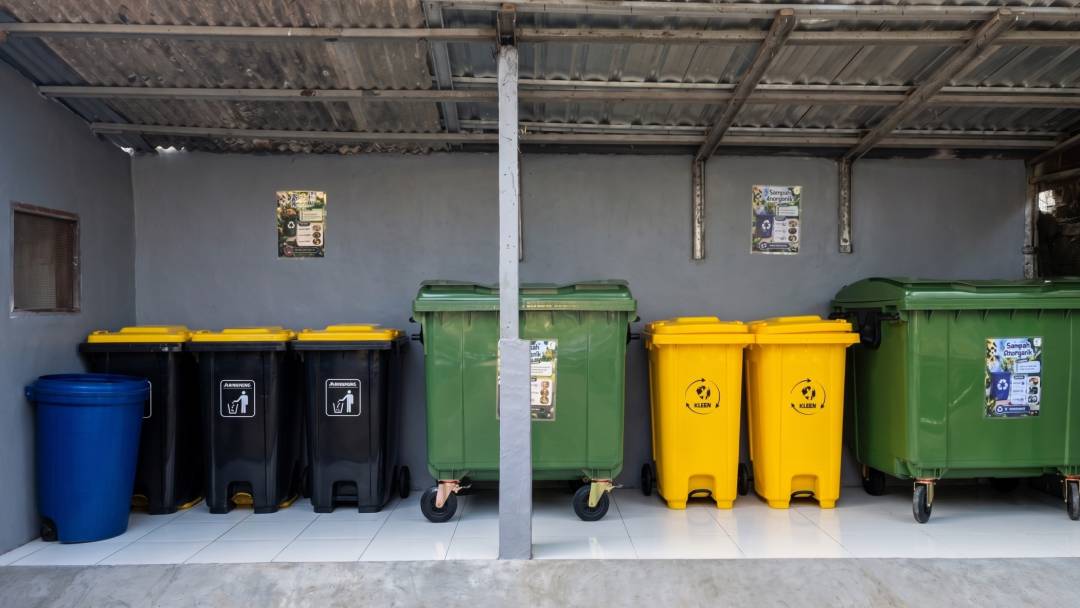
- Waste sorting at Astagina begins at the source — separate organic and inorganic bins are installed across every department, office, and public area, not just back-of-house.
- Plastic water bottles in all guest rooms have been replaced with glass bottles — a change that removes a significant volume of daily single-use plastic from room operations.
- Every week, a gotong royong — a communal clean-up rooted in Indonesian community tradition — brings the full team together to maintain the resort grounds with a shared sense of ownership.
- Astagina actively participates in Legian beach clean-up programmes and works with Lembaga Pemberdayaan Masyarakat Legian to support community-level environmental initiatives.
- Sustainability is integrated into how the resort functions operationally — it is not a separate programme guests are invited to opt into.
Why Waste Management at a Resort Is More Complicated Than It Looks
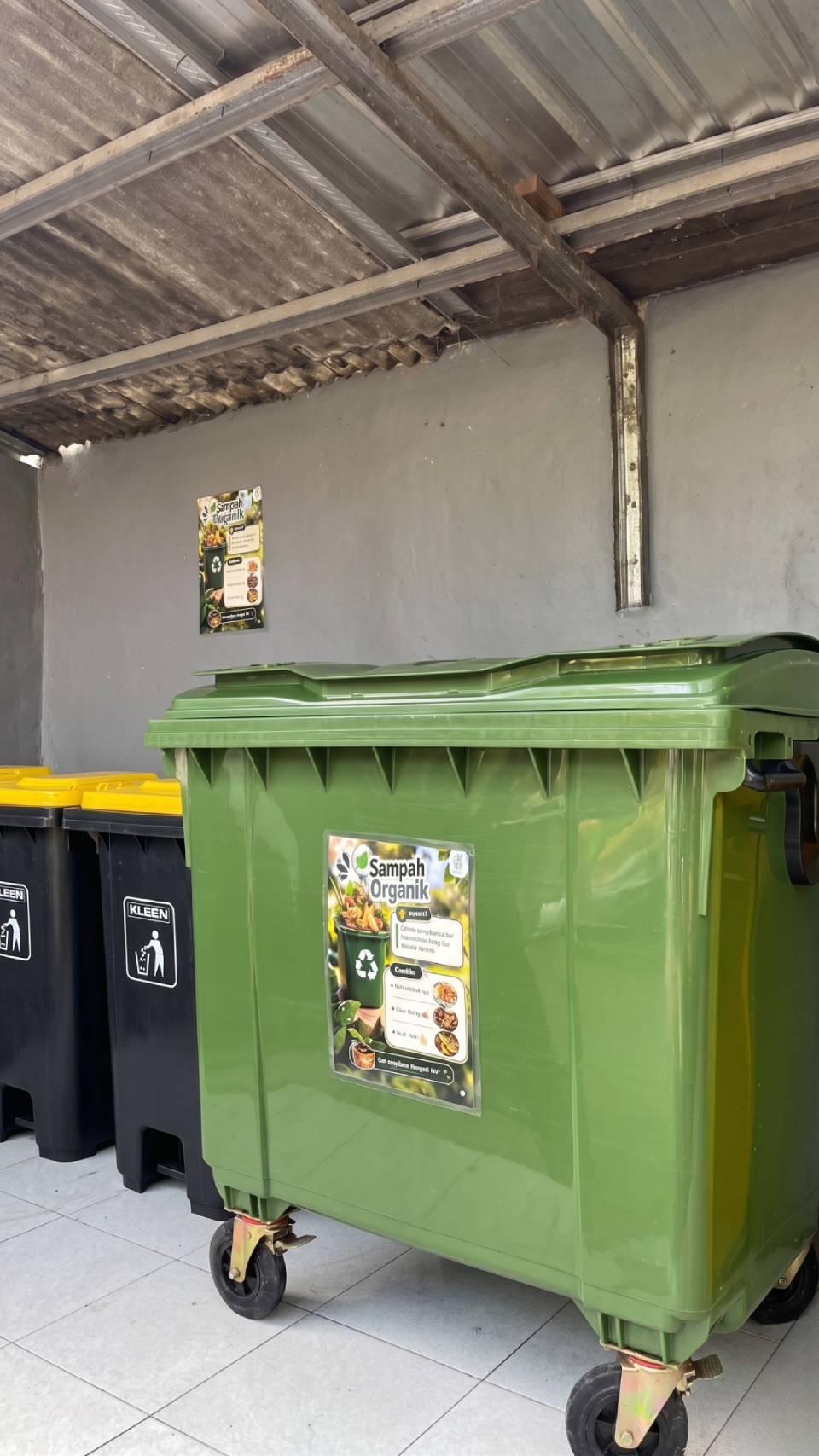
The volume of waste that a functioning resort generates daily — from room turnover, food and beverage operations, laundry, maintenance, and guest consumption — is significant. The default approach in much of the hospitality industry is collection and disposal: get it out, get it gone. What that approach misses is the difference that sorting makes, both in terms of what can be redirected away from landfill and in terms of the culture it creates within a team when the responsibility is shared rather than delegated to a single point.
At Astagina Resort Villa and Spa, waste sorting begins before collection. Every department and every office is equipped with separate bins for organic and inorganic waste. This includes guest-facing areas — the restaurant at Pangi Bistro, the lobby, poolside — as well as areas guests never see. The bins are clearly labelled. Staff education on proper sorting practices and their environmental impact is ongoing, not a one-time induction point. The participation rate across the team reflects something that has become part of how this resort operates, rather than a policy imposed from above.
The Plastic Reduction Decision That Changes the Daily Numbers
Single-use plastic in hospitality tends to accumulate in a specific pattern: individual water bottles in guest rooms, plastic-wrapped amenities in housekeeping, single-use packaging in food and beverage. Each item is small. The aggregate, across a full property and a full year, is not.
The most direct change we made at Astagina was replacing plastic water bottles in guest rooms with reusable glass bottles on a refill system. The shift sounds simple. In practice it requires a different logistics chain for housekeeping — glass bottles need to be collected, cleaned, and restocked rather than simply replaced — and a different mindset about what a well-prepared room looks like. The outcome is a measurable reduction in daily plastic waste from room operations. Eco-friendly materials are also prioritised across housekeeping and food and beverage, with the understanding that individual choices in procurement compound into something meaningful over time.
For guests who want to understand more about how we approach facilities and the guest experience at Astagina, the facilities overview covers the full picture — from the pool and Anjali Spa through to how the broader resort environment is maintained.
Gotong Royong — What a Weekly Clean-Up Actually Means for a Team
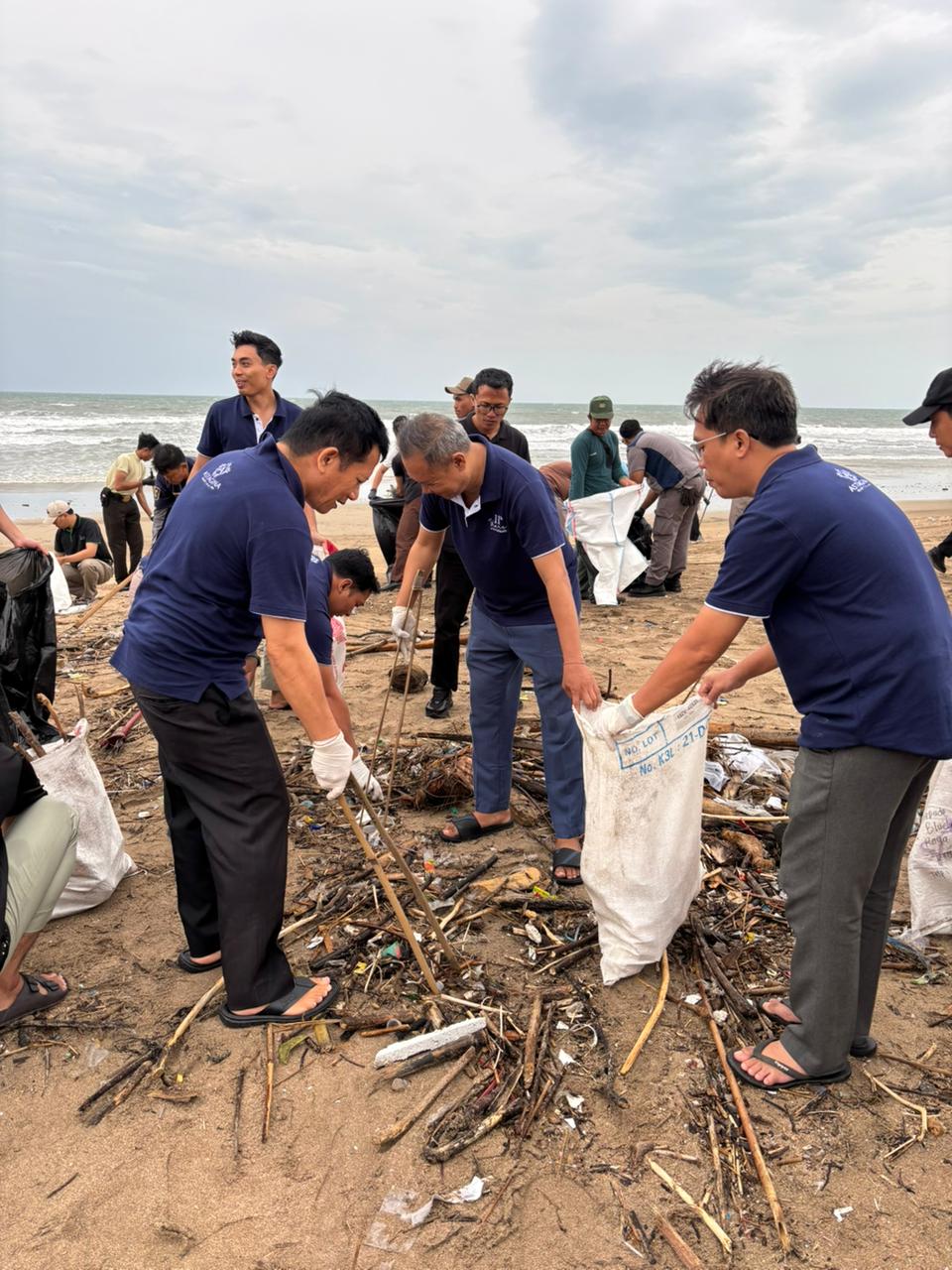
Gotong royong is not a sustainability programme borrowed from a corporate ESG manual. It is a concept embedded in Indonesian community life — the practice of working together on shared maintenance, with shared ownership of the outcome. At Astagina, we hold a gotong royong every week. The full team participates. The grounds are maintained, common areas are addressed, and the activity reinforces a direct relationship between the people who work here and the environment they work within.
The effect on team culture is visible. Staff who participate in a shared clean-up develop a different relationship to the property than those who simply maintain their assigned areas. The sense of ownership — of genuinely caring about the condition of the resort — shows up in how daily responsibilities are handled. It is not a correlation we can quantify precisely, but it is one we observe consistently.
How We Engage with Legian Beyond the Resort Perimeter

Astagina Resort Villa and Spa sits within the Legian community. The environmental health of that community — including its beaches and its marine ecosystem — is directly relevant to the experience of staying here, and to the long-term viability of tourism in this part of Bali.
We participate in beach clean-up activities in Legian on an ongoing basis. We collaborate with Lembaga Pemberdayaan Masyarakat Legian, the community empowerment organisation working on environmental initiatives at the neighbourhood level. We support local government programmes aimed at maintaining cleanliness in the tourism corridor. These are not headline activities. They are the kind of regular, unglamorous commitments that accumulate into something real over time — and they connect what we do inside the resort to what happens to Bali’s marine ecosystem when waste is managed poorly.
For guests planning a stay and wanting to explore beyond the resort, our tour packages and activities are designed to support that connection to the broader Bali environment.
What Sustainable Practice Looks Like in Practice — A Summary
| Area | What We Do | Why It Matters |
| Waste sorting |
Separate organic/inorganic bins across all areas — guest-facing and staff-only | Reduces contamination and enables proper waste redirection |
| Single-use plastic |
Glass refill bottles replace plastic room bottles; eco-friendly materials in F&B and housekeeping | Directly reduces daily plastic output from the highest-volume areas |
| Staff culture |
Regular education + weekly gotong royong | Sustainability requires ownership at team level, not just policy compliance |
| Community engagement |
Beach clean-ups + collaboration with Lembaga Pemberdayaan Masyarakat Legian | Resort operations have an impact beyond the property perimeter |
| Guest experience | Clearly labelled bins in public areas; subtle encouragement to participate | Integration into the guest experience rather than a separate opt-in |
What Guests Have Noticed During Their Stay
— Rach M, Adelaide, Australia
“The Astagina is a true hidden gem! The staff are very attentive and have such a welcoming vibe 🙂 in particular Saputra one of the many great room attendants, Saputra always offered addition assistance without any hesitation. The grounds are very well maintained and located near by to some great food venues!”
— Annette S Melbourne, Australia
Before You Book: What Guests Usually Ask Us
What makes Astagina Resort Villa and Spa different in terms of waste management?
Astagina implements waste sorting at the source across all areas, actively involves staff in sustainability practices, and reduces single-use plastics through initiatives like reusable glass bottles in guest rooms.
How does the resort reduce plastic waste?
The resort minimizes single-use plastics by replacing plastic water bottles with refillable glass bottles, encouraging reusable systems, and prioritizing eco-friendly materials in daily operations.
Does Astagina participate in environmental activities outside the resort?1
Yes, the resort regularly joins beach clean-up programs in Legian and collaborates with local organizations like Lembaga Pemberdayaan Masyarakat Legian to support community-driven sustainability efforts.
A Resort That Takes Its Setting Seriously
Legian is not just a location for Astagina Resort Villa and Spa. It is the community the resort operates within, the beach a short walk from our front entrance, and the ecosystem that makes this corner of Bali worth visiting. How we manage waste, how we maintain our grounds, and how we engage with the neighbourhood around us are not side considerations. They are part of what it means to operate here responsibly.
If you are planning a stay at a Legian beach resort that takes its environmental responsibilities as seriously as its guest experience, we would be glad to have you. Explore our accommodation options or book directly for the best available rates. If you have questions about our sustainability practices or any aspect of your upcoming stay, reach out at info@astaginaresort.com — we will give you a straight answer.